


My NTS
Live now

Stephan Micus

Stephan Micus

Stephan Micus has been played on NTS shows including Pender Street Steppers, with East Of The Night first played on 17 October 2015.

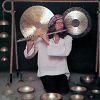
Stephan Micus (born 19 January 1953 in Stuttgart, Germany) is a German musician. Micus made his first journey to the Orient at the age of sixteen. Fascinated by the variety of musical cultures around the world Micus has travelled in virtually every Asian and European country as well as in Africa and the Americas. Studying with local master musicians he learned to play numerous traditional instruments, many of them unknown in the Western world. However, Micus's intention is not to play these instruments in a traditional manner, but rather to develop the fresh musical possibilities which he feels are inherent in them. In many of his compositions, which he performs himself, he combines instruments that have never before been played together. The resulting dialogues further reflect his vision of a transcultural music.

In addition to his exclusively acoustic instruments Micus also uses his voice, at times – with multitrack recording techniques – creating whole choral pieces by himself. The words he sings usually do not carry any known meaning. However, on Athos he set to music ancient Greek prayers to the Virgin Mary, on Desert Poems he performed two original poems in English and on Life he has set to music an ancient Japanese Koan.

He has studied a variety of instruments including guitar, concert-flute, sitar in Benares (India), flamenco guitar in Granada (Spain), shakuhachi (Japanese bamboo flute) and sho (Japanese mouth organ) in Kyoto (Japan), suling (Balinese flute) in Ubud (Bali), Uillean pipes in Carna (Ireland), sinding (African harp) in Gambia, dondon (talking drum) in Accra (Ghana), doussn' gouni (African harp) in Bamako (Mali), duduki (Georgian oboe) and Georgian polyphonic choral singing in Tbilisi (Georgia), hné (Burmese oboe) in Yangon and Mandalay (Myanmar), duduk (Armenian oboe) in Yerevan (Armenia), bagana (Ethiopian lyre) in Addis Abeba, nohkan (flute of the noh theatre) in Kyoto (Japan), Bulgarian polyphonic choral singing in Plovdiv (Bulgaria), genbri (bass lute of the gnaoua) in Essaouira (Morocco) and ryuteki (flute of the gagaku orchestra) in Kyoto (Japan).

In search of musical culture and context Micus has travelled extensively, in particular in India, Japan, Indonesia, Korea, Afghanistan, Morocco, Algeria, Tunisia, Thailand, Egypt, Burma, Sri Lanka, Turkey, USA, Canada, Israel, China, Gambia, Senegal, Nepal, Ladakh, Sinkiang, Venezuela, Tanzania, Argentina, Peru, Ghana, Mali, Jordan, Georgia, Ethiopia, Pakistan, Yemen, Cuba, Lebanon, Laos, Vietnam, Cambodia, Uzbekistan, Kyrgyzstan, Cabo Verde, Mauretania, Armenia, Karabagh, Siberia, Mongolia, Namibia.

read more

Stephan Micus

Stephan Micus has been played on NTS shows including Pender Street Steppers, with East Of The Night first played on 17 October 2015.

Stephan Micus (born 19 January 1953 in Stuttgart, Germany) is a German musician. Micus made his first journey to the Orient at the age of sixteen. Fascinated by the variety of musical cultures around the world Micus has travelled in virtually every Asian and European country as well as in Africa and the Americas. Studying with local master musicians he learned to play numerous traditional instruments, many of them unknown in the Western world. However, Micus's intention is not to play these instruments in a traditional manner, but rather to develop the fresh musical possibilities which he feels are inherent in them. In many of his compositions, which he performs himself, he combines instruments that have never before been played together. The resulting dialogues further reflect his vision of a transcultural music.

In addition to his exclusively acoustic instruments Micus also uses his voice, at times – with multitrack recording techniques – creating whole choral pieces by himself. The words he sings usually do not carry any known meaning. However, on Athos he set to music ancient Greek prayers to the Virgin Mary, on Desert Poems he performed two original poems in English and on Life he has set to music an ancient Japanese Koan.

He has studied a variety of instruments including guitar, concert-flute, sitar in Benares (India), flamenco guitar in Granada (Spain), shakuhachi (Japanese bamboo flute) and sho (Japanese mouth organ) in Kyoto (Japan), suling (Balinese flute) in Ubud (Bali), Uillean pipes in Carna (Ireland), sinding (African harp) in Gambia, dondon (talking drum) in Accra (Ghana), doussn' gouni (African harp) in Bamako (Mali), duduki (Georgian oboe) and Georgian polyphonic choral singing in Tbilisi (Georgia), hné (Burmese oboe) in Yangon and Mandalay (Myanmar), duduk (Armenian oboe) in Yerevan (Armenia), bagana (Ethiopian lyre) in Addis Abeba, nohkan (flute of the noh theatre) in Kyoto (Japan), Bulgarian polyphonic choral singing in Plovdiv (Bulgaria), genbri (bass lute of the gnaoua) in Essaouira (Morocco) and ryuteki (flute of the gagaku orchestra) in Kyoto (Japan).

In search of musical culture and context Micus has travelled extensively, in particular in India, Japan, Indonesia, Korea, Afghanistan, Morocco, Algeria, Tunisia, Thailand, Egypt, Burma, Sri Lanka, Turkey, USA, Canada, Israel, China, Gambia, Senegal, Nepal, Ladakh, Sinkiang, Venezuela, Tanzania, Argentina, Peru, Ghana, Mali, Jordan, Georgia, Ethiopia, Pakistan, Yemen, Cuba, Lebanon, Laos, Vietnam, Cambodia, Uzbekistan, Kyrgyzstan, Cabo Verde, Mauretania, Armenia, Karabagh, Siberia, Mongolia, Namibia.

Original source: Last.fm

Tracks featured on

Most played tracks

Part 4 - To The Evening Child
Stephan Micus
ECM Records1992
Fireflies
Stephan Micus
ECM Records2019
56 Flowerpots
Stephan Micus
ECM Records1988
The Horses Of Nizami
Stephan Micus
ECM Records2001
Part 4
Stephan Micus
ECM Records1989
Part IV
Stephan Micus
ECM SP1981
East Of The Night
Stephan Micus
Japo Records1985